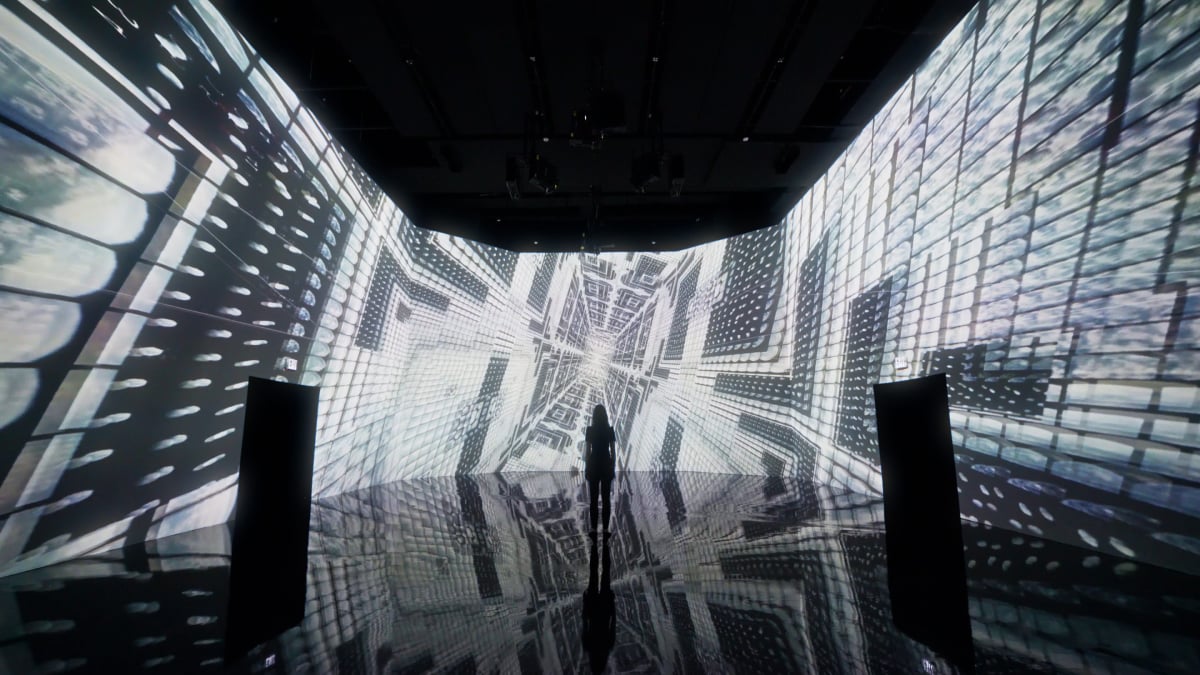
Seamless Transitions: The Glue of Immersive Design
I’ll never forget the first time I experienced seamless interface transitions in a VR game. One moment, I was standing in a virtual forest; the next, I was inside a cave—without a single loading screen or jarring cut. The effect was electric. I wasn’t just playing a game; I was there. That’s the power of seamless transitions: they’re the invisible thread that stitches an experience together. When done right, users don’t notice the transitions—they just feel the flow.
But smooth transitions aren’t just about aesthetics; they’re about psychology. Every time a user waits for a screen to load or stumbles through a clunky animation, their immersion breaks. I’ve seen apps lose half their users at a single poorly designed transition point. The fix? Intuitive navigation and seamless transitions that feel like a natural part of the journey. For example, in a recent project, we replaced a traditional “loading” spinner with a subtle environmental animation. Users didn’t just wait—they watched, and their engagement metrics soared.
The best part? Seamless transitions work everywhere. From mobile apps to e-commerce sites, the principle is the same: respect the user’s time and attention. When an interface moves as smoothly as the user’s thoughts, the experience becomes effortless. And that’s when the real magic happens—because an interface shouldn’t just work; it should disappear.